Welcome email sequence: what it actually looks like
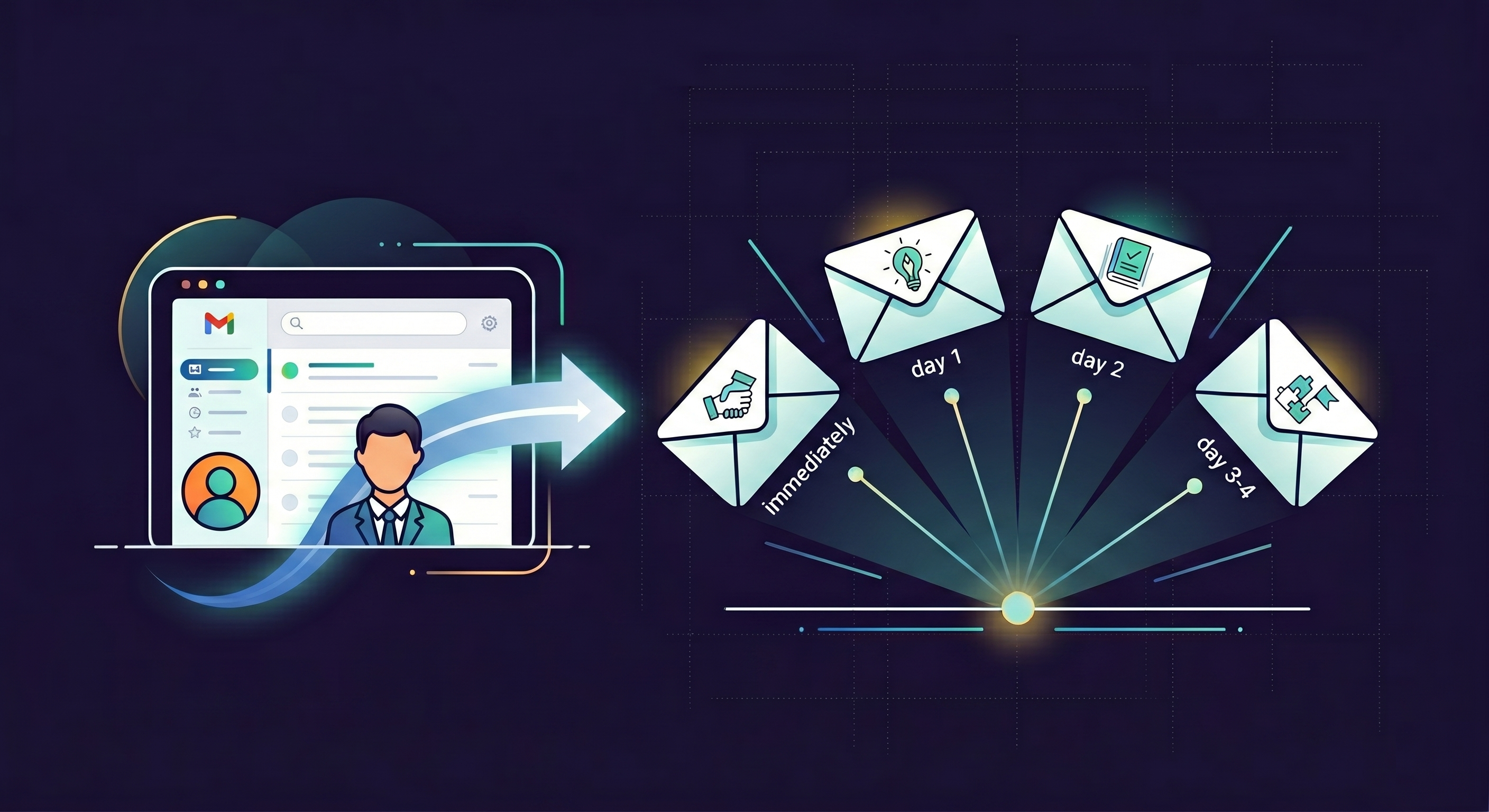
Most of the welcome flows I look at are one email long. Deliver the coupon, maybe say thanks. Done. Then the store just waits.
Problem: about 80% of new subscriber purchases happen in the first 72 hours after signup. That's your window. And most stores are only showing up for the first hour of it before going quiet.
One email in the window that gives you the most motivated subscribers you'll ever have. That's it for most stores.
The double opt-in mistake
Before the sequence even starts, a lot of stores have already written off half their new subscribers without knowing it.
Double opt-in is a setting in Klaviyo and most ESPs that sends a confirmation email before adding someone to the list. Click to confirm, then you're in. The platforms recommend it. Sounds sensible. Cuts email capture rates by around 50%.
Half the people who want to hear from you never make it onto your list because they didn't see the confirmation email, or it went to spam, or they were on their phone and just closed it. That's it. Gone. And the people who do confirm aren't necessarily more engaged. They just happened to catch the confirmation email at the right moment.
Turn double opt-in off. You can clean the list later if engagement is low. The subscribers you never captured, though, those are gone.
The discount code that trains your list
Most welcome flows offer a discount. That part is fine. What's not fine is the code.
"WELCOME10" doesn't expire. Everyone on your list knows it doesn't expire. So it's not an incentive to buy now. It's a permanent 10% off button they can use whenever they want. Some of them will. Most won't, because nothing is creating any reason to.
What actually works is a code with a real expiry date. Klaviyo lets you generate unique codes that expire after a set number of days. First email delivers it. Later in the sequence you tell them it's expiring. Then it's gone. That creates an actual arc. "WELCOME10" that resets every time a new subscriber signs up just doesn't do that.
Same principle as cart abandonment: don't front-load the discount. If every welcome email is about the coupon, you've trained your subscribers that your brand is just a discount machine. Some will buy. The ones who do tend to have lower AOV, worse LTV, and they churn the moment the next coupon doesn't show up. Lead with the brand first. The offer goes where it creates actual urgency, later in the sequence.
What the 72-hour window looks like in practice
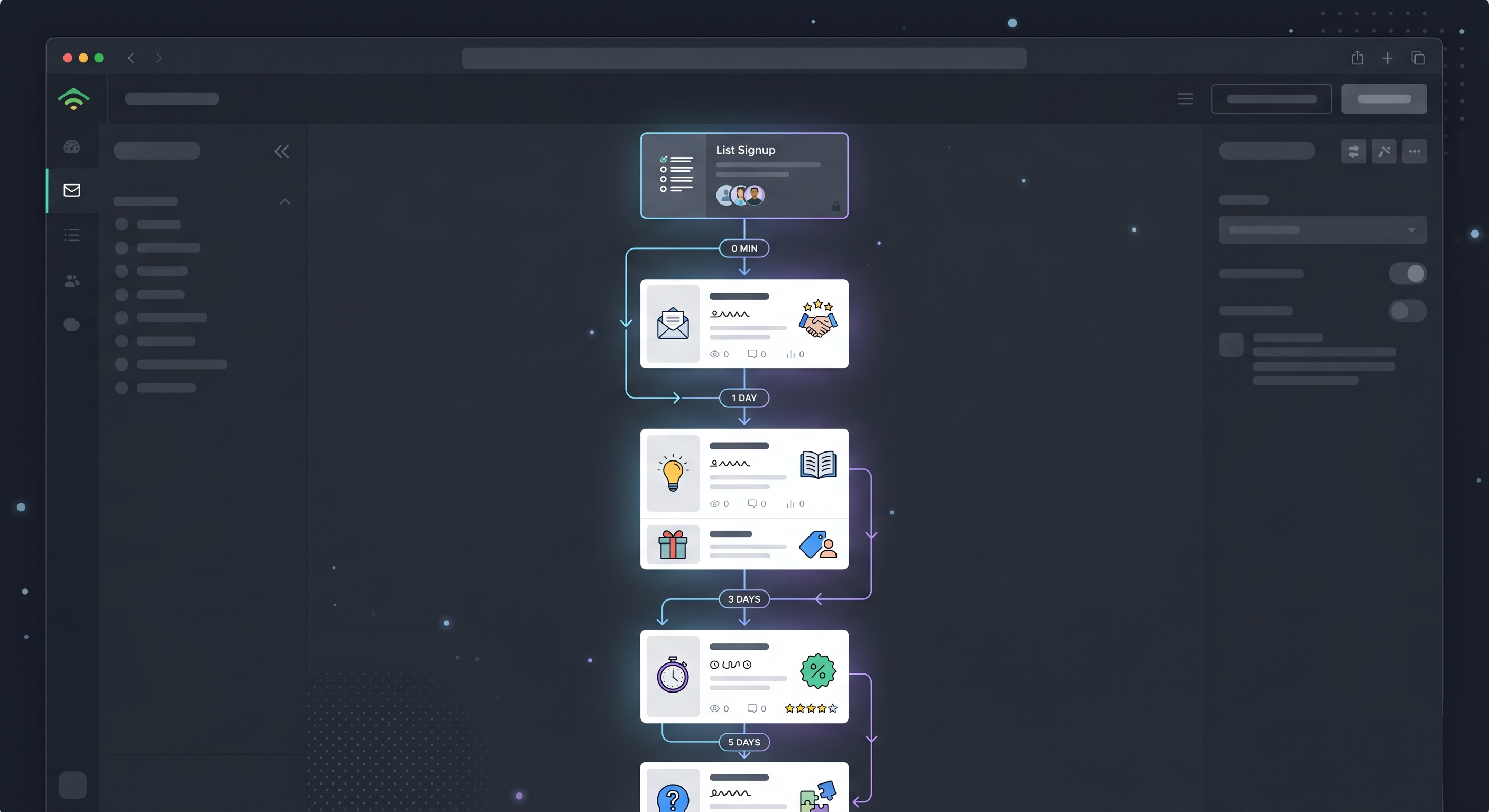
The welcome sequence needs to cover the whole 72 hours, not just show up for the first one and disappear.
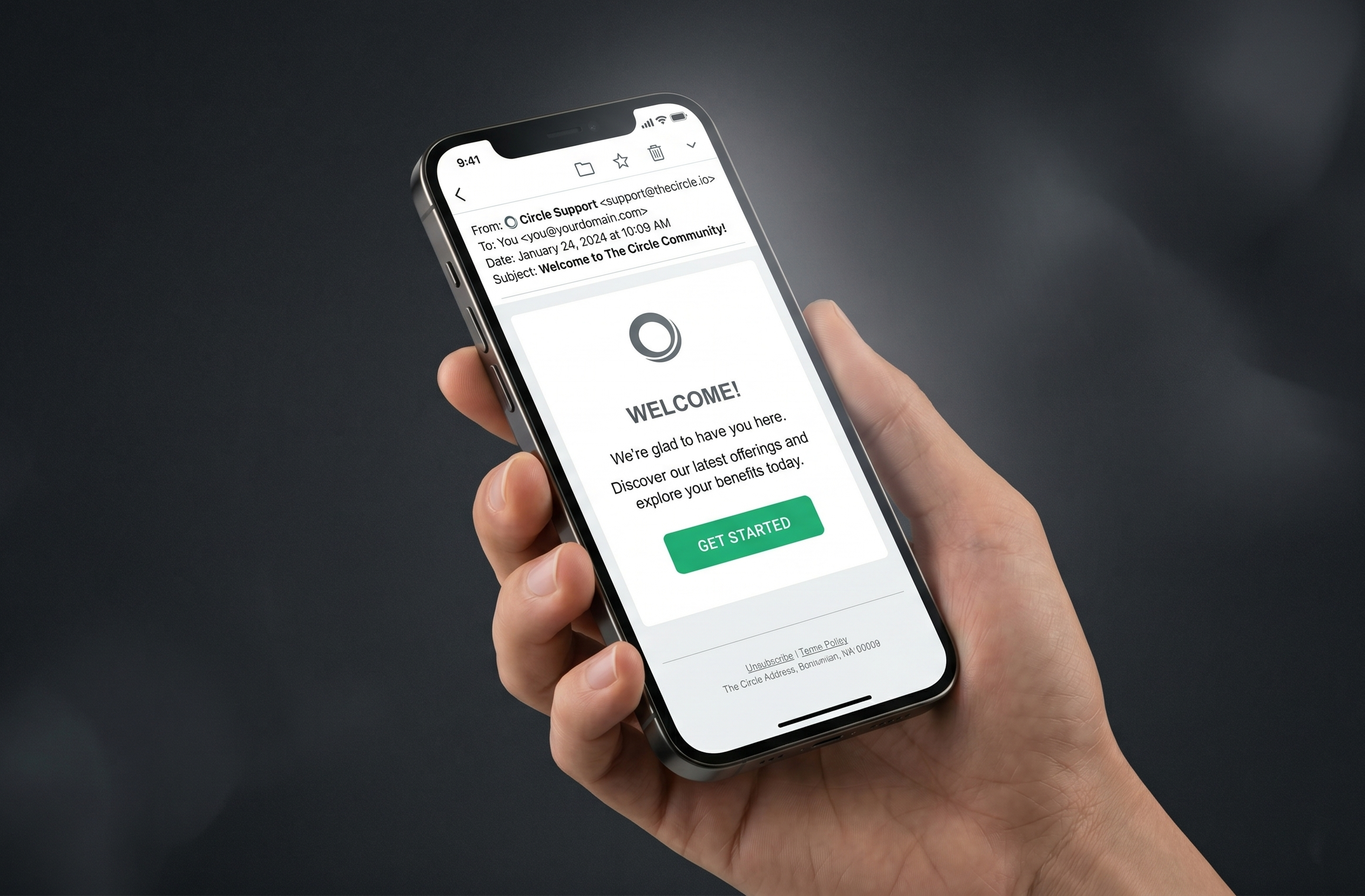
So the first email fires immediately. Not within an hour. Immediately. Someone fills in a popup, they get the email before they've clicked off your site. The welcome and the signup need to feel like one moment. Wait an hour and you've already lost it. I've seen stores proud of their "within 15 minutes" timing not realizing that's already too slow.
The next day is where most stores stop. It's also where the brand story goes. The founder note, why the thing exists, what makes buying from you different. Subscribers who didn't buy on day one often buy here. Not because of a discount but because they understood something about the brand they didn't before. A surprising number of people are waiting to be convinced, not discounted.
Day two is product-focused. Popular products, best-reviewed items, what to start with if someone has no idea. Keep the discount in the footer if you have one, but the main job here is product discovery, not the offer. Then day three or four: social proof. Not five-star ratings pulled from a widget, real customer quotes, before-and-afters if your category has them, press mentions if you have them. Buying should feel like something other people already did and came out fine. (Because it is.)
After that, if you're running a discount, this is where the urgency emails go. The "ending soon" notice, then the last-chance send. The urgency needs to be real, though. A code that actually expires creates a genuine reason to act. One that resets every week? Subscribers figure that out faster than most brands expect. (And when they do, every "urgent" email you send loses a little credibility.)
One more thing worth adding somewhere in the back half: a plain-text email from someone on the team. No design, no product images. Just "Hey, noticed you signed up a few days ago, anything I can help with?" I know that sounds too simple to work. These consistently outperform designed emails with a surprising chunk of the list, probably because they actually look like a person wrote them. (Because they should.)
How many emails is enough
Six to eight for most ecommerce stores. High-ticket brands with average orders above $400 can go longer because the decision cycle is just longer. Someone buying an $800 product needs more time and more touchpoints than someone buying a $30 accessory.
Most stores run three emails and wonder why their welcome flow revenue is low. The 72-hour window is longer than three emails. If the subscriber didn't buy after email 1 or 2, they're not lost. They're still in the window, just waiting for a different angle. Maybe the brand story instead of the coupon. Maybe the reviews. In my experience the email that finally converts them is almost never the first one they opened.
One note on flow length: don't extend the sequence just to hit a number. There's a reminder email, a brand story email, product highlights, social proof, the urgency close, and that plain-text personal one. When those are done, the sequence is done. A 10-email welcome flow where emails 7 through 10 are variations of "here's the coupon again" doesn't help anyone.
The split that most stores skip
New subscriber intent isn't uniform. Someone who found you through an influencer already knows the brand. Cold Google traffic is starting from scratch. The person who signed up specifically for a discount wants something different than someone who wanted the newsletter.
Running all of them through the same welcome flow is leaving optimization on the table for most of them. The brand story email that works for cold traffic is redundant to someone who's been following the founder on Instagram for six months. They already know the story. Give them something they don't know yet.
A source-based split, or at minimum a discount vs. non-discount signup split, changes what emails 2 and 3 need to say. Same skeleton, different angle.
The copy volume problem
Setting up the flow structure in Klaviyo: a few hours. The email copywriting and design is where it stalls.
And the volume adds up fast. Six to eight emails per segment, discount and non-discount variants, source-based splits if you're running those, different proof points per product category. Most stores write the first version, plan to get back to the rest, and never do.
The consequence: a cold-traffic subscriber and someone who came in already warm are both reading the same brand story.
MailCommerce AI handles the email design and copy side automatically. Paste your store URL, it reads your catalog and brand, and generates a complete welcome sequence with dynamic product blocks matched to your brand. Ready to drop into your Klaviyo flow. It pulls from your live catalog, so product recommendations stay current, not whatever was trending when you first set up the flow.
Free to try, no credit card required. Start here.
Where the welcome flow connects to the rest
The welcome sequence wraps up when the subscriber buys, or when it runs out of emails. Subscribers who get through the whole thing without converting don't just disappear. They move into the regular campaign list, and treating them the same as someone who bought on day one is leaving conversion on the table.
The segmentation guide covers how to handle subscribers at different engagement levels once the welcome flow is done. The email strategy guide covers how the welcome flow fits into the broader picture.
One more thing: if you're running browse abandonment or cart abandonment flows alongside the welcome sequence, make sure the exclusion logic is clean. A new subscriber who immediately browses a product shouldn't be in both the welcome flow and the browse abandonment flow at the same time. They should be in the welcome flow until it's done, then handed off. The browse abandonment post and the cart abandonment post cover the filter setup on both sides.