AI email segmentation for ecommerce: 6 segments every store needs
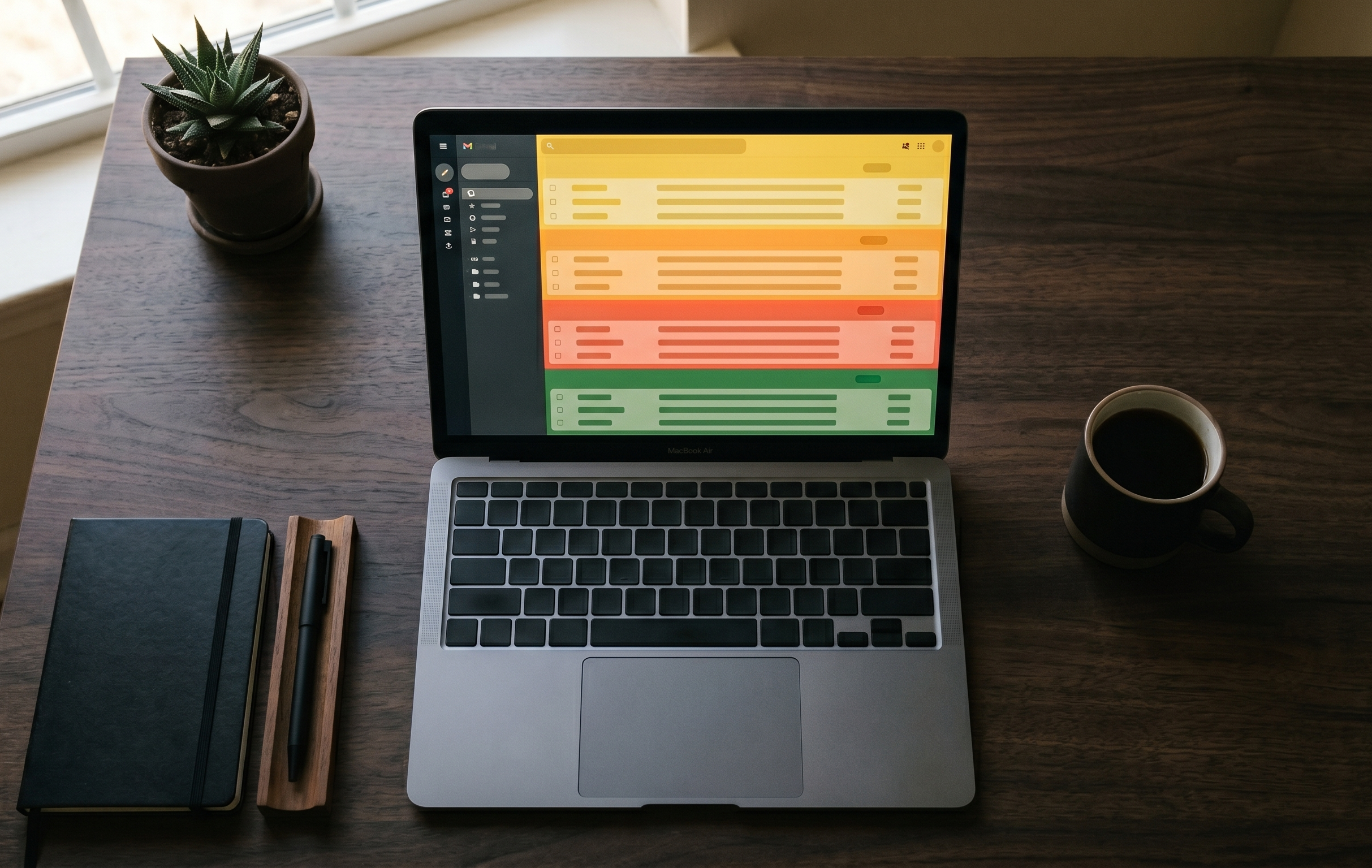
Run a quick mental audit. That newsletter you sent last week, who got it? Your three-day-old subscriber who just heard of you. Your most loyal customer who's bought seven times. Someone who abandoned a cart yesterday. The person who hasn't opened anything in eight months.
All of them. Same email. Same subject line. Same offer.
That's the norm for most ecommerce stores. And it explains a lot of "nobody opens our newsletters anymore."
What most segmentation guides miss
Most articles explain the concept well enough. Send different emails to different people. Makes sense. But they treat it as a personalization tactic when it's actually two things at once: a conversion lever AND a deliverability mechanism.
The deliverability part is the one that bites you when you ignore it. Gmail, Yahoo, and every major inbox provider now evaluates sender reputation based on engagement. If a chunk of your list hasn't opened anything in six months and you keep emailing them anyway, that drags your reputation down for everyone. Including the subscribers who actually want your emails. Your best customers start landing in the promotions tab or spam because you pulled the whole list's reputation down with the dead weight.
Segmentation keeps that from happening. It's not optional polish on top of a working strategy. It determines whether your emails get seen at all.
Most stores that do segment are doing rule-based segmentation. Which is a start. But the meaningful step up from there is predictive.
Rule-based vs AI segmentation
Rule-based segmentation looks backward. You define conditions: "anyone who bought in the last 30 days," "anyone who browsed the sneaker category," "anyone in London." The segment updates as data comes in, but you're always working off what already happened.
AI segmentation looks forward. Instead of "who bought in the last 30 days," it's "who is 80% likely to buy in the next 30 days." Instead of "who hasn't opened recently," it's "who is at high churn risk and needs a win-back sequence before they actually disengage."
The practical difference is timing. A high churn risk segment, people who are about to disengage, looks different from a dormant buyer segment, people who already did. Catching someone before they check out is cheaper and more effective than trying to win them back after the fact. (By a lot, usually.)
Klaviyo has built-in predictive analytics: expected date of next order, predicted churn risk, projected lifetime value. For stores on Mailchimp, Omnisend, or ActiveCampaign, the AI features vary, but most platforms now offer some version of engagement scoring. Even basic behavioral triggers get you most of the way there.
6 segments every ecommerce store should be running
These work regardless of platform or product category.
1. New subscribers (0-14 days)
People who signed up in the last two weeks. They don't know you, don't trust you, and they definitely don't need the same flash sale as your seven-year loyalists. They need a welcome sequence: introduction, what to expect, probably a first-purchase incentive. Send them a generic promo and they have no context for it, so they don't open it.
2. Active buyers (purchased in the last 90 days)
Your best customers right now. They already trust you and they already buy. The question isn't how to convince them. It's what to put in front of them next. Cross-sells, new arrivals, early access. This is a completely different email from what dormant buyers need, and treating them the same is wasted sends on both sides.
3. Dormant buyers (90+ days without a purchase)
They bought before. Now there's silence. A regular broadcast newsletter won't fix that because it's the same kind of thing they've been ignoring. They need a win-back sequence: acknowledge the gap, show what's new, make an offer worth coming back for. If you're emailing dormant buyers the same content as active ones, you're accelerating the churn.
4. Cart abandoners
7 out of 10 people who start checkout don't finish it. Most of them wanted to buy and hit a friction point. A cart abandonment sequence handles exactly this: a reminder, then help removing the friction, then a discount if they still haven't returned. These sequences consistently deliver the highest revenue per recipient of almost any email type.
5. VIP customers (top 10% by spend)
The math in most ecommerce stores is lopsided in a similar way: a small group drives a disproportionate share of revenue. These people aren't price-sensitive. They're relationship-sensitive. Early product access, exclusive offers, being treated like they're in a different tier. (Because they are.) Sending them the same 20%-off email as everyone else trains them to wait for discounts. On everything.

6. Price-sensitive buyers
People who only purchase during sales or with coupon codes. Fine to market to, but with accurate expectations. Flash sales, stacking discounts, clearance events. The risk: if the same discount email goes to your whole list, you're teaching customers who would have paid full price to start waiting for deals too.
What the numbers look like
| Metric | Unsegmented | Segmented |
|---|---|---|
| Open rate | 15–20% | 25–35% |
| Click rate | 2–3% | 5–8% |
| Conversion rate | 1–2% | 3–5% |
| Unsubscribe rate | 0.5–1% | 0.1–0.3% |
Exact numbers vary by category and list quality. But the direction holds up across every study I've seen. The right email to the right person outperforms a broadcast every time.
What data you actually need
At minimum: email address, purchase history (what they bought, when, and for how much), and basic browsing behavior (category pages visited, products viewed).
If you're on Shopify or WooCommerce, your platform already collects this. It just needs to be connected to your email tool. Klaviyo + Shopify handles this automatically on setup. For other platform combinations, you usually need a one-time integration via API or a connector tool. It's a setup cost you pay once.
In Klaviyo, segments live under Segments > Create Segment. For VIP customers: filter by "Historic CLV is at least [top 10% threshold]". For AI-based churn risk: "Predicted Churn Risk is High." For new subscribers: "Joined list less than 14 days ago." Each segment auto-updates as new data comes in.
In Mailchimp and Omnisend, you can build purchase-history and engagement-based segments through their conditions builder, though AI predictive features are more limited than Klaviyo's.
How MailCommerce AI fits in
Segments are the architecture. But someone still has to write the right email for each one. New subscriber welcome. Active buyer cross-sell. Dormant buyer win-back. VIP early access. Price-sensitive flash sale.
MailCommerce AI reads your store URL, analyzes your product catalog, and generates the right email for each segment within minutes. The copy, the design, the offer, all matched to your brand. It's not a template you fill in. It builds from your actual store. A full month of campaigns for all your segments takes around 15 minutes.
Free to try, no card required. Start here.
Related: Ecommerce email segmentation: 2 strategies that actually work in 2026 | Win-back email sequence for ecommerce | Abandoned cart email sequence | Welcome email sequence for ecommerce